
Jaksic Stonemasonry
Workshop and Gallery
Donji Humac 75,
21423 Nerežišća
Island of Brač, Croatia
There are countless buildings for which the building stone was dressed in this workshop. Here are only a few.
Filter of works

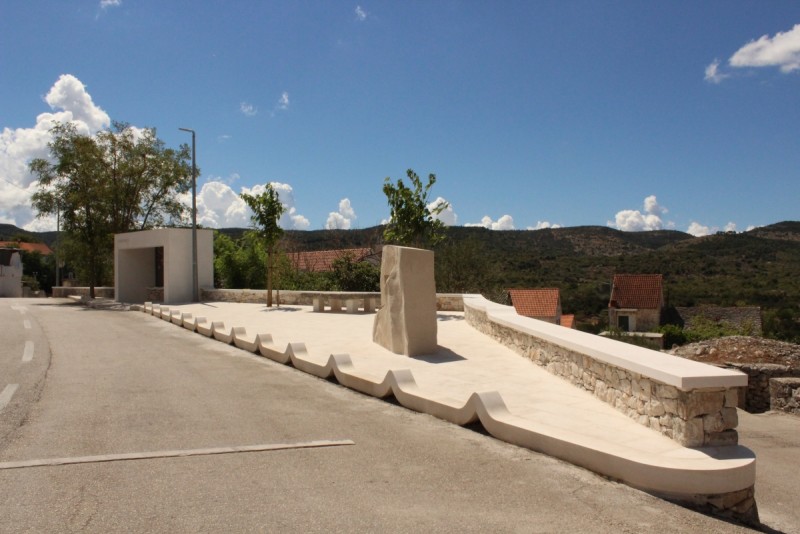
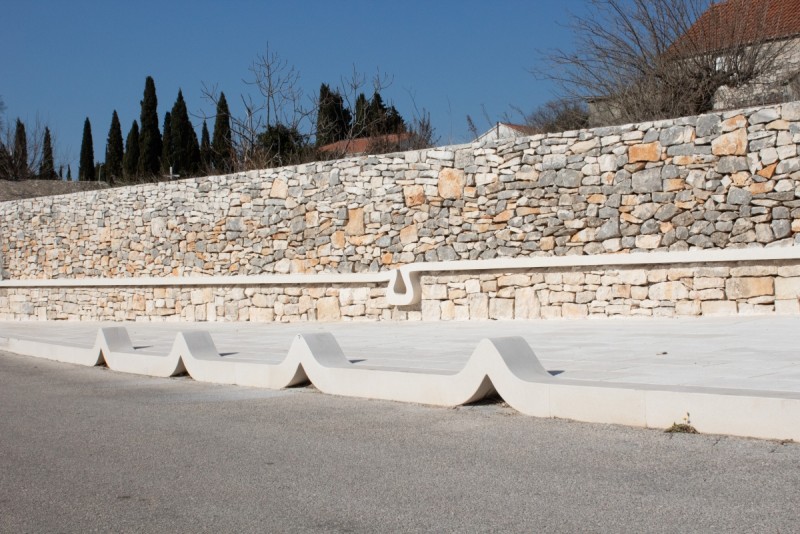
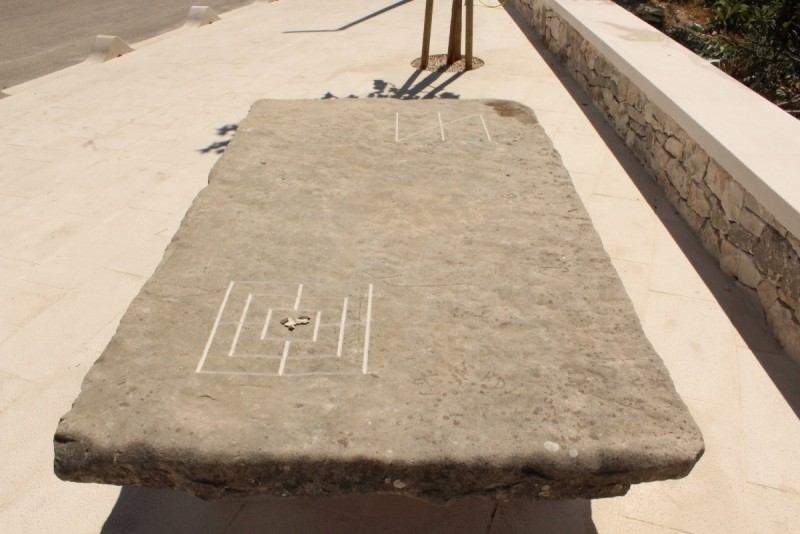

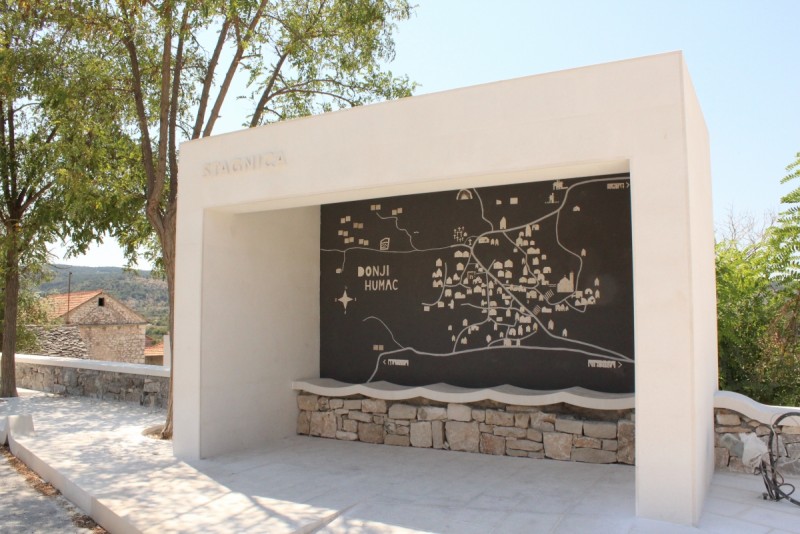
Stagnica Square Development / Project by Dr. Art. Dina Jakšić Pavasović
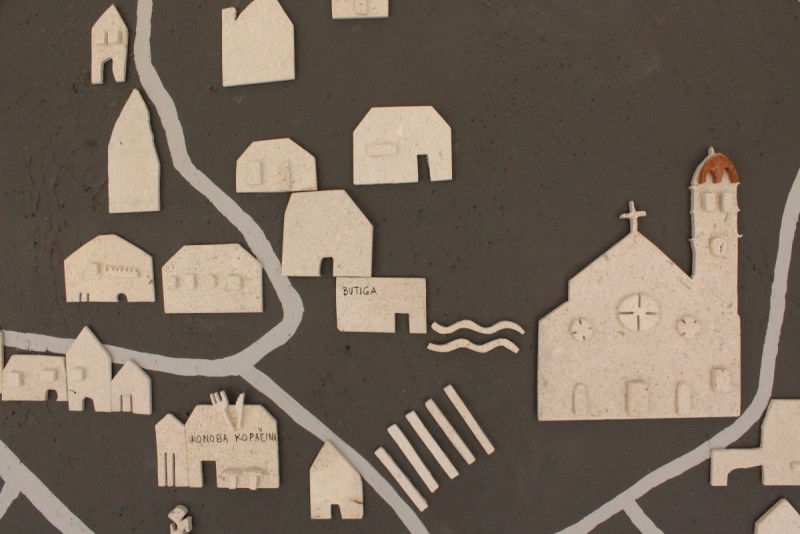
- the redevelopment of Stagnica Square in Donji Humac represents an exceptional example of contemporary public space design grounded in traditional stone craftsmanship and modern design principles. The establishment of a harmonious balance between functionality, local identity, and outstanding execution quality has resulted in a space that raises the standards of public space development on the island of Brač. The project concept was developed by Dr. Art. Dina Jakšić Pavasović, who infused the project with personal memories, spatial experience, and deep material knowledge. Our stonemasonry workshop executed the most complex components: wave-shaped stone kerbs forming the original car stoppers – known locally as bube – as well as the complete system of stone paving, stone cladding, stone walls, stone seat covers, and elements created in the traditional dry-stone technique. The second section of Stagnica features several technically and formally demanding stone details: a distinctive sculptural stone form that introduces spatial dynamism, stone plates designed for bicycle support, and stone numbers inlaid into the pavement to create a stone version of the traditional game “školica” (hopscotch), reinterpreted through contemporary stone design. These features encourage children to spend time outdoors, fostering motor skills, social interaction, and cognitive development, resulting in a public space with both social and pedagogical value. The redevelopment also includes a monolithic stone water fountain, as well as an architecturally refined bus stationcombining a stone bench, dry-stone wall elements, and a wave-shaped stone seat cover. A particularly notable feature is the map of Donji Humac, created by local children through an educational and creative workshop on stone craftsmanship. From a professional standpoint, this is a significant example of participatory design: involving children in the creation of content introduces a new layer of identity to the public space, strengthens the sense of belonging, and transforms the map into a heritage symbol that transcends decorative purpose. Today, Stagnica stands as a model of how public space design can evolve through the dialogue between tradition, contemporary design, and masterful stone craftsmanship.
* All fields are mandatory
* All fields are mandatory