
Jaksic Stonemasonry
Workshop and Gallery
Donji Humac 75,
21423 Nerežišća
Island of Brač, Croatia
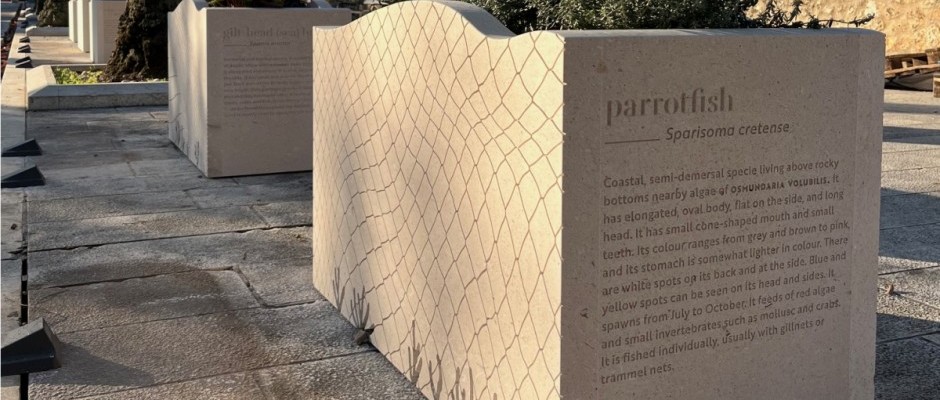
A Unique Project in Stone: Flower Pots Honoring Maritime Heritage and Marine Life
22.12.2023.A Unique Project in Stone: Flower Pots Honoring Maritime Heritage and Marine Life
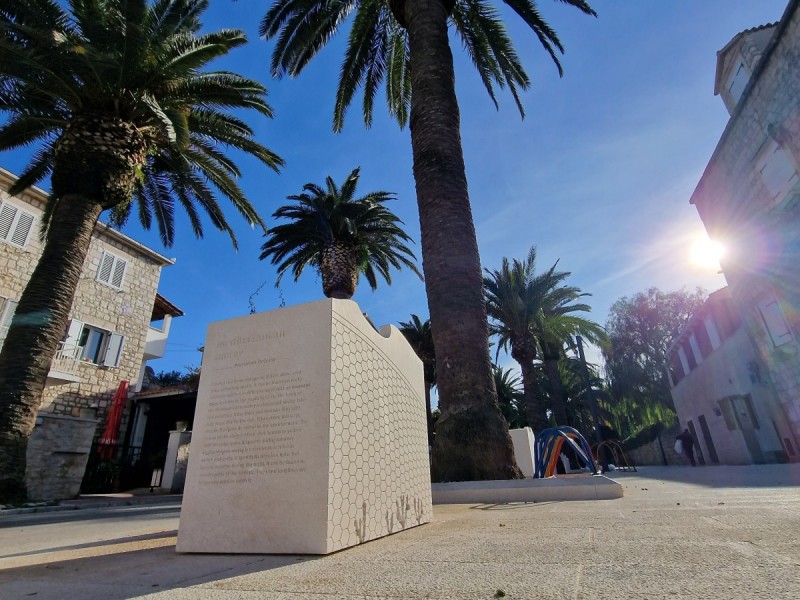
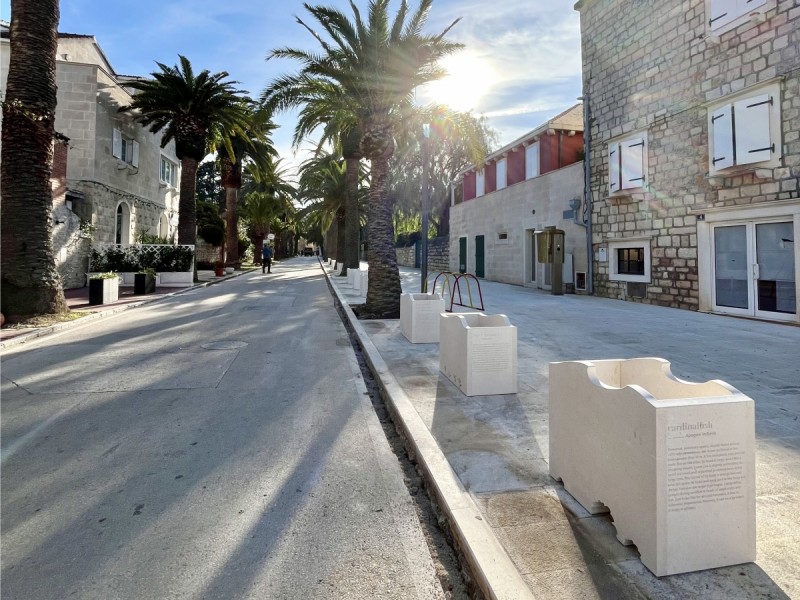
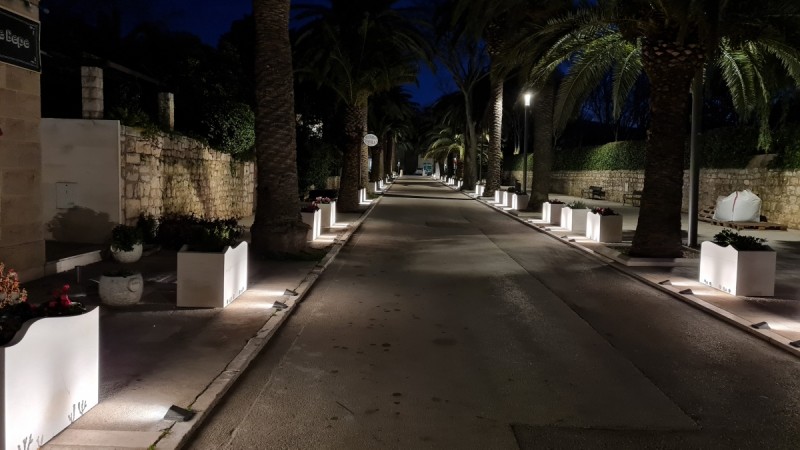
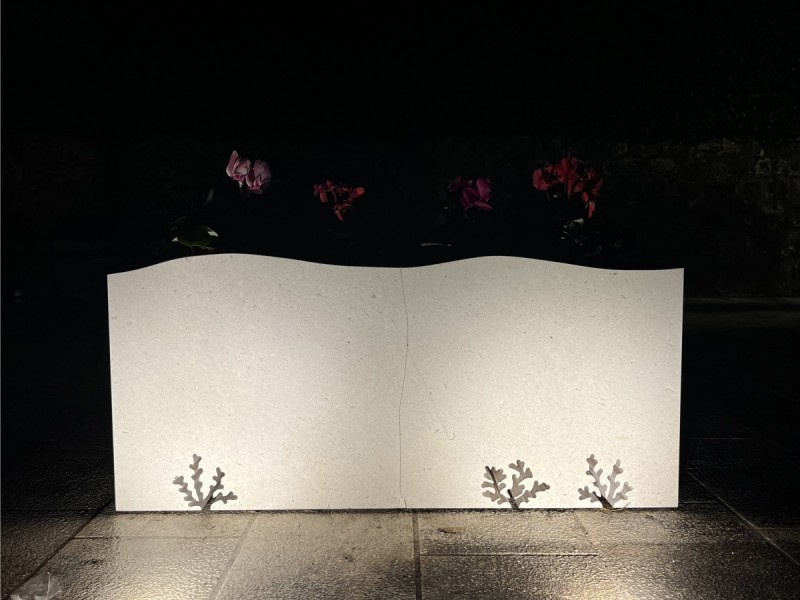
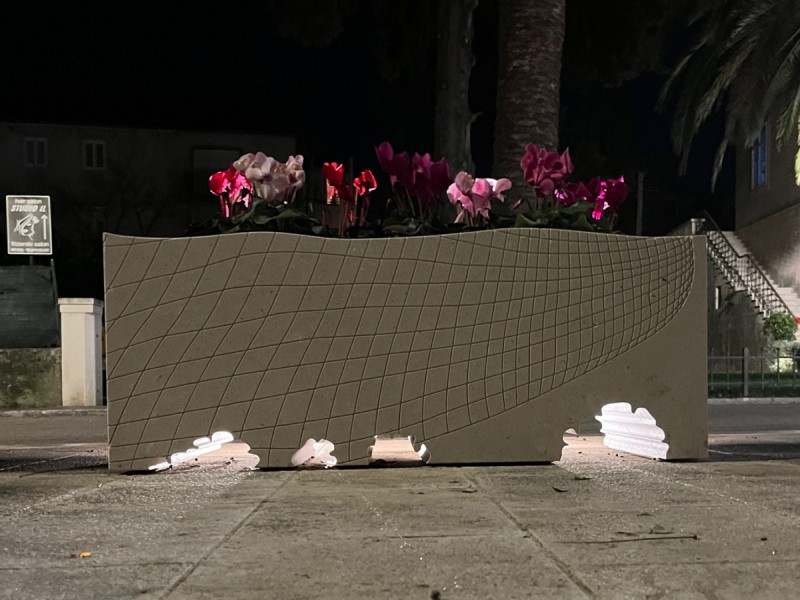
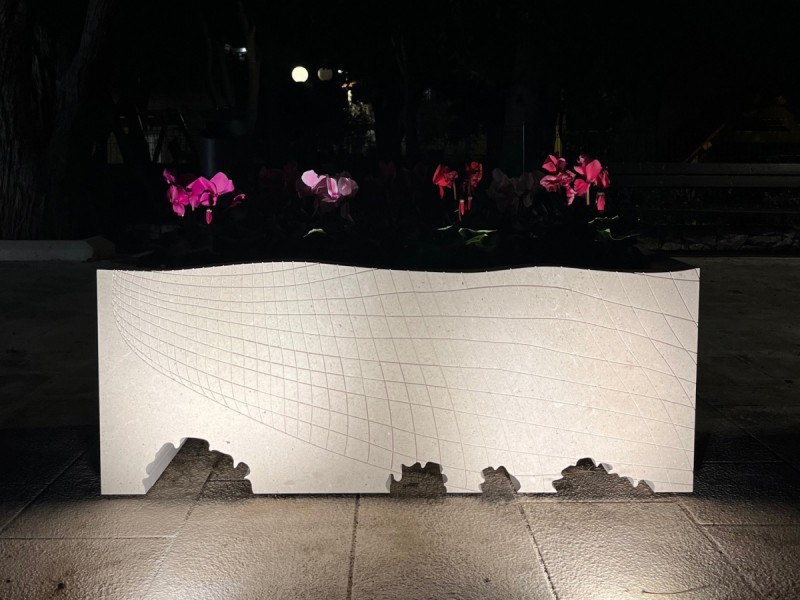
The project of crafting fifty unique stone flower pots – "pitari" – was realized in our specialized stonemasonry workshop and installed along the coastal promenade in Sutivan, on the island of Brač. Each pitar is carved from local stone and symbolically represents a segment of the underwater world: a specific fish species, its natural habitat (sea algae), and the traditional fishing gear historically used to catch it. The authors of the project idea are our Dr.art Dina Jakšić Pavasović in collaboration with visual communications designer Goran Pavasović.
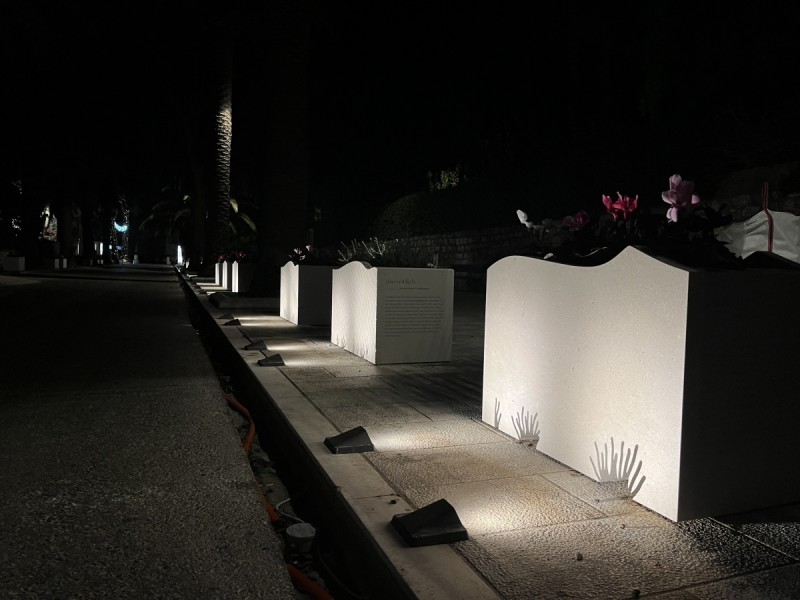
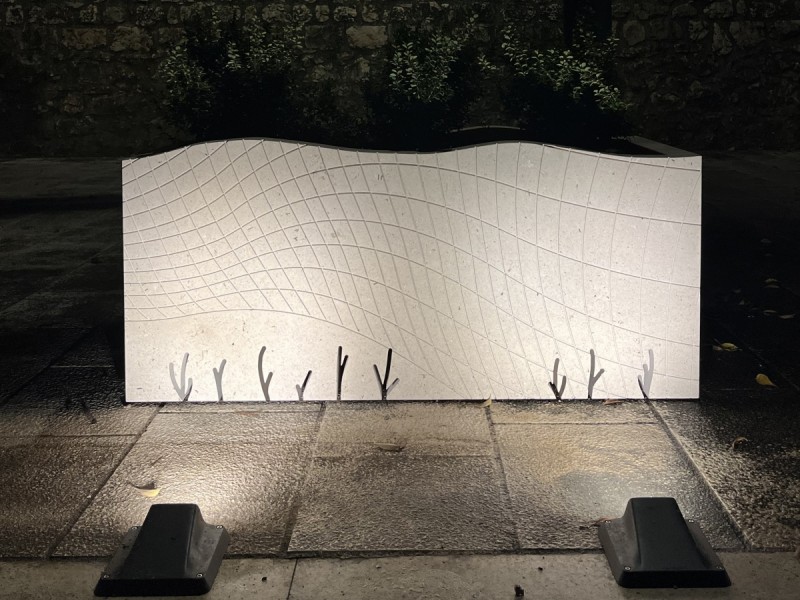
The pitari are envisioned as stone frames of marine life, narrating the richness of the Adriatic Sea’s flora and fauna. Placed in a sequence along the promenade, they form a cohesive story that brings the marine ecosystem closer to visitors. The upper surface of each pitar reflects the rhythm of the sea surface – starting with gentle waves near the shallows and becoming more dynamic toward the open sea.
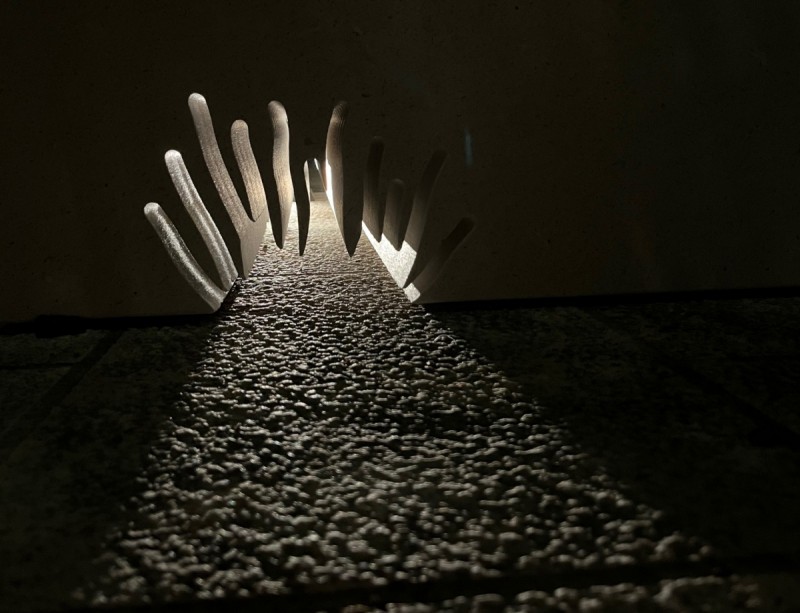
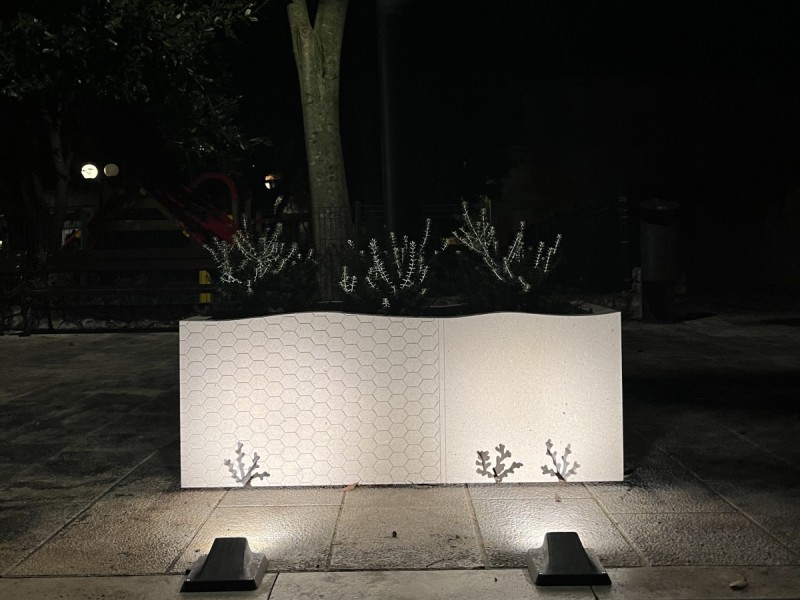
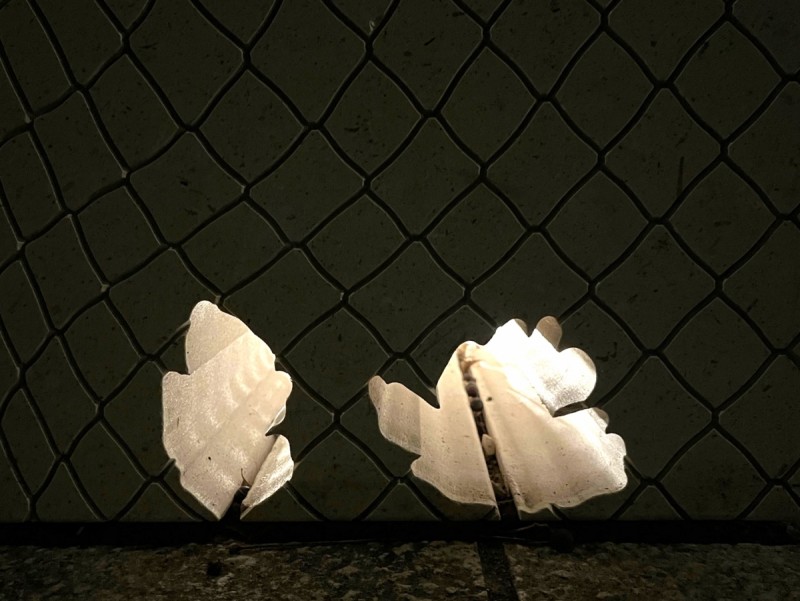
A symbolic sea level line separates the land and marine world. Above the line, terrestrial Mediterranean plants are planted, while below it, in the carved stone, sea algae are represented – essential elements of habitat for the depicted fish species. This makes each pitar not only a sculptural piece, but also an educational element, featuring bilingual descriptions (Croatian and English) and subtly carved details of traditional fishing tools.
This project uniquely combines design, heritage, and knowledge, offering an educational and touristic installation that celebrates maritime heritage and raises awareness of the importance of preserving marine flora and fauna.
The entire project was professionally overseen by marine biologist Dr. Nika Ugrin, who also authored the texts about fish species featured on the sides of the stone planters. Her descriptions include information about the fish, the fishing tools used to catch them, and the algae in which they live. Thanks to her expert contribution, the project gained additional scientific depth and professional credibility.The complexity and craftsmanship of this project could only be achieved by our workshop, thanks to our experience and tradition in stonework.
The entire project was funded through the European Maritime and Fisheries Fund 2014–2020, via the FLAG of the island of Brač.
Gallery
* All fields are mandatory
* All fields are mandatory